2026-10-27 · Dave Harlan
Street Placement Rules for Dumpsters in Boise City
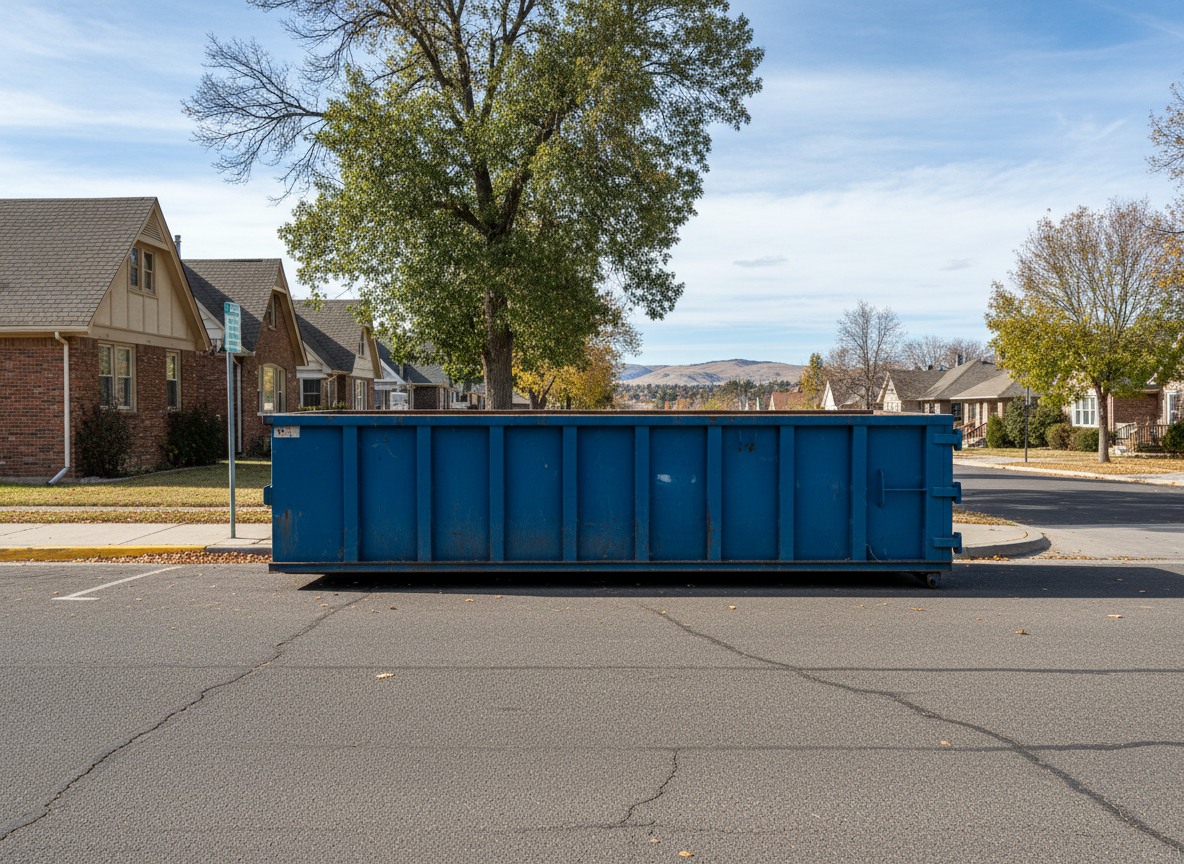
In Boise City, placing a dumpster on the street requires a permit from the city before the unit arrives, along with strict adherence to positioning that keeps traffic lanes clear and sidewalks accessible.
Obtaining the Required Permit
Homeowners in Boise City must apply for a street occupancy permit through the city's Public Works department when a dumpster will sit on public right-of-way. The process typically involves submitting the rental duration, exact location, and proof that the unit will not obstruct fire hydrants or driveways. Applications for projects in established neighborhoods such as the North End or downtown Boise often face extra scrutiny because narrow streets and historic layouts leave little margin for error. Missing this step can result in daily fines once the unit is spotted by code enforcement. Many residents coordinate the permit directly with their Dumpster Rental provider so the paperwork aligns with delivery schedules. Processing times vary by season, with spring and summer seeing higher volumes due to renovation activity across Ada County.
Positioning Rules for Residential Streets
Once permitted, the dumpster must sit parallel to the curb with at least three feet of clearance on all sides for pedestrian and vehicle access. In neighborhoods like the North End, where many homes sit close to the street, operators often use cones and reflective tape to mark the unit after dark. The container cannot block storm drains or sit on top of utility covers, a common issue on older blocks where infrastructure runs directly under the pavement. Residential projects also require the unit to stay within the marked parking space or designated area shown on the permit. If the job involves a sloped driveway approach, crews place the dumpster on the flatter street section to prevent shifting during loading. These details matter because Boise City inspectors routinely patrol during active construction periods.
Weather and Terrain Considerations
Boise's freeze-thaw cycles and occasional heavy snow affect how long a street-placed dumpster can remain stable. During winter months, crews check that the unit rests on level pavement rather than frozen berms that may shift when temperatures rise. The linked guide on winter impacts explains how scheduling changes when snow removal priorities take precedence on city streets. In areas with steeper grades near the foothills, additional blocking or chocking becomes necessary to keep the container from rolling. Soil conditions in older subdivisions can also soften during spring runoff, making street placement preferable to yard placement to avoid sinking. Residents planning projects in nearby Garden City or Meridian often face similar terrain challenges but must follow each city's separate permitting process.
Safety and Access Requirements
Every street-placed unit needs clear markings and adequate lighting after sunset to protect drivers and pedestrians. Boise City rules prohibit placement within 15 feet of intersections or crosswalks, a distance that protects turning sight lines in dense residential zones. For Residential Dumpster Rental jobs, the provider must ensure the container lid stays closed when not in use to prevent wind-blown debris. Homeowners should also verify that the chosen spot allows the roll-off truck enough room to approach from the front without backing into traffic. These steps reduce liability and keep the project moving smoothly. When questions arise about specific block conditions, contacting the rental company at 123 N 6th St during business hours provides on-the-ground advice tailored to Boise City streets.
Common Violations and How to Avoid Them
The most frequent citation involves units left longer than the permitted window or positioned too close to fire lanes. Checking the permit expiration date before the weekend helps, especially on projects that run into Saturday. Another issue occurs when residents place the dumpster on the street without first confirming underground utility locations marked by the city. Using the size guide for common Boise home projects helps match container dimensions to the available street space, reducing the chance of overflow or improper siting. Staying within the approved footprint and removing the unit promptly once full keeps relations with neighbors and code enforcement positive throughout the rental period.